
Understanding Voluntary Disclosure Risks, Benefits, and Best Practices

Understanding Voluntary Disclosure: Risks, Benefits, and Best Practices
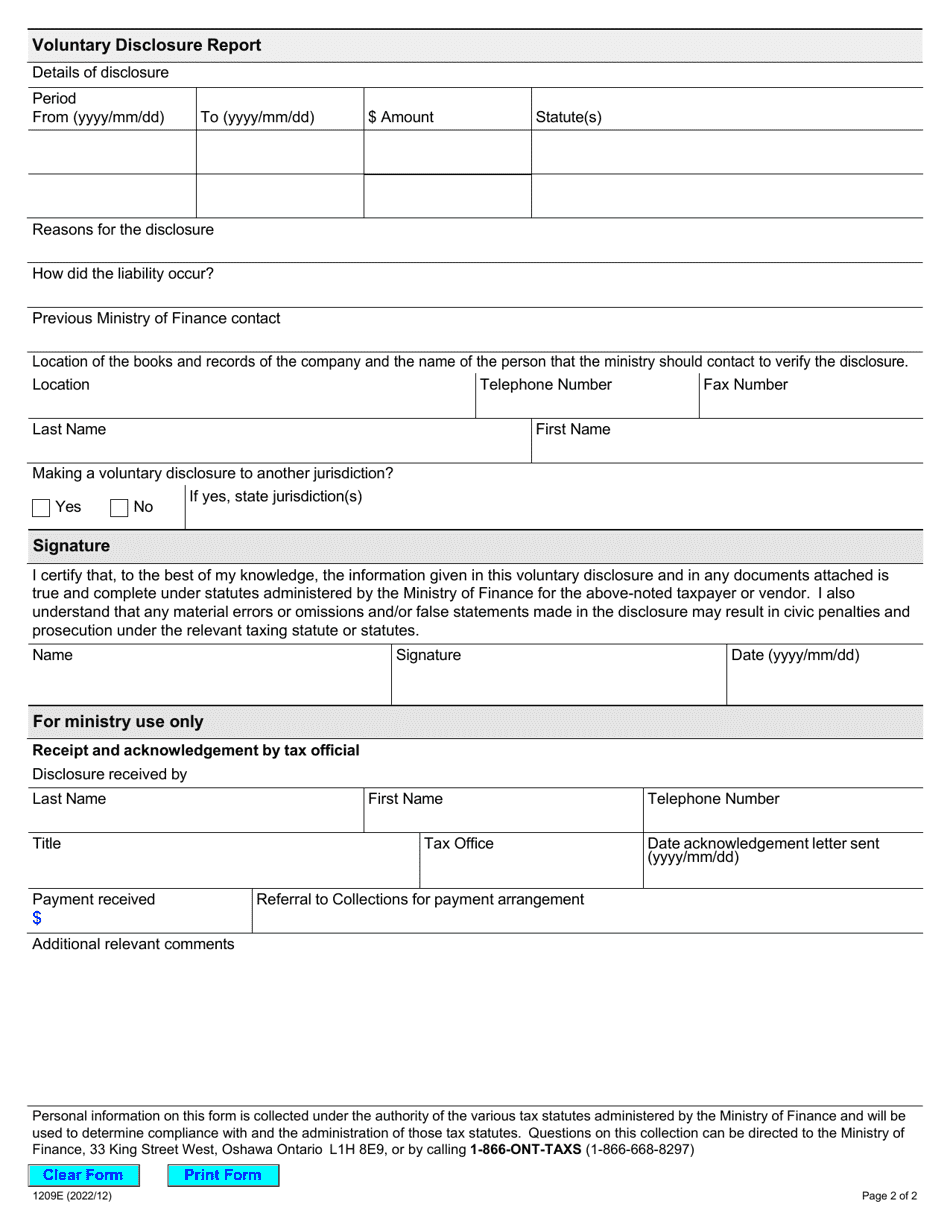
Voluntary disclosure is a crucial element in compliance and regulatory frameworks across various industries. It reflects an organization’s commitment to transparency and ethical conduct. This article will provide detailed insights into the concept of voluntary disclosure, its benefits, potential risks, and best practices for implementation. For more information, you can refer to this information on voluntary disclosure https://ameqme.com/pages/voluntary-disclosure-in-sanctions-cases-benefits-and-risks.html.
What is Voluntary Disclosure?
Voluntary disclosure involves an organization proactively informing regulatory authorities about potential violations of laws or regulations, often before those violations come to light through audits or investigations. This self-reporting can occur in various domains, including finance, healthcare, and environmental regulations. The goal is to rectify issues and demonstrate a commitment to compliance.
Importance of Voluntary Disclosure
Voluntary disclosure plays a vital role in fostering a culture of compliance within organizations. By openly reporting potential violations, companies not only adhere to legal standards but also build trust with stakeholders, including customers, investors, and the public. This openness can enhance a company’s reputation and establish it as a leader in ethical business practices.
Benefits of Voluntary Disclosure
The advantages of engaging in voluntary disclosure are manifold:
- Reduced Penalties: Many regulatory bodies offer leniency or reduced fines for organizations that voluntarily disclose their violations, thus encouraging self-reporting.
- Enhanced Reputation: Companies that prioritize transparency can strengthen their public image, leading to increased customer loyalty and stakeholder trust.
- Better Relationships with Regulators: Proactively addressing compliance issues can foster a more collaborative relationship with regulatory agencies, which may lead to more favorable outcomes in future dealings.
- Mitigation of Further Issues: By identifying and addressing problems early, organizations can prevent more significant issues from arising, reducing the risk of substantial reputational and financial damage.
Risks Associated with Voluntary Disclosure
While there are numerous benefits, voluntary disclosure is not without its challenges and risks:
- Legal Exposure: Disclosing violations can expose organizations to legal ramifications, including lawsuits from affected parties.
- Reputational Damage: Even voluntary disclosure may lead to negative publicity, especially in cases of egregious violations.
- Confidentiality Issues: Companies must navigate the balance between transparency and maintaining confidential business information during the disclosure process.
- Resource Allocation: The process of preparing for disclosure can be resource-intensive, necessitating significant time and money.
Key Considerations for Effective Voluntary Disclosure
To successfully engage in voluntary disclosure, organizations should consider the following key strategies:
- Comprehensive Internal Review: Conduct thorough internal investigations to identify potential compliance issues before initiating the disclosure process.
- Engage Legal Counsel: Involve legal experts throughout the process to ensure compliance with relevant laws and regulations and to navigate potential legal ramifications.
- Open Communication with Regulators: Maintain a transparent dialogue with regulatory agencies, providing them with all relevant information and cooperating throughout the disclosure process.
- Implement Corrective Actions: After disclosure, organizations should take immediate steps to correct violations and enhance compliance programs to prevent future issues.
Case Studies of Voluntary Disclosure
Examining real-world examples can provide valuable insights into the effectiveness of voluntary disclosure. One notable case is that of a multinational corporation that disclosed a data breach to regulators and affected customers proactively. By taking ownership of the breach, the company was able to mitigate penalties and strengthen its security protocols, ultimately regaining customer trust.
Another case involved a healthcare provider that voluntarily reported billing inaccuracies to regulatory authorities. Their proactive approach resulted in reduced penalties and allowed the organization to focus on improving compliance training for staff, thereby preventing similar issues in the future.
Conclusion
Voluntary disclosure presents both opportunities and challenges for organizations aiming to maintain compliance and uphold ethical standards. By understanding the benefits and risks associated with this practice, companies can navigate the complexities of voluntary disclosure effectively. Ultimately, a commitment to transparency and proactive compliance can lead to enhanced reputation, reduced liabilities, and a culture of ethical business conduct.